Exploring Molas: Reverse Applique From Panama
Dec 16, 2025Some of the most powerful creative lessons come from looking beyond our own traditions.
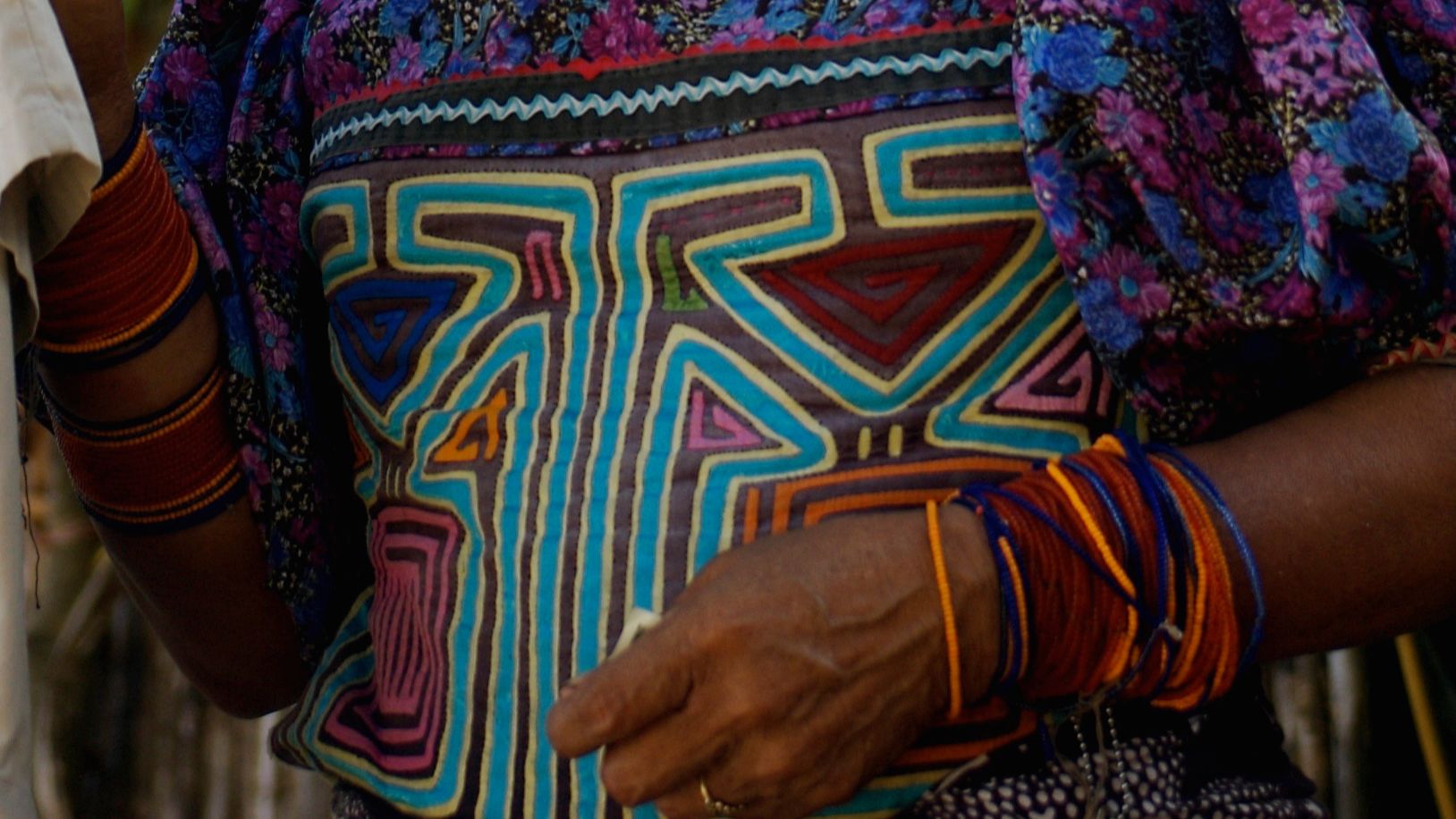
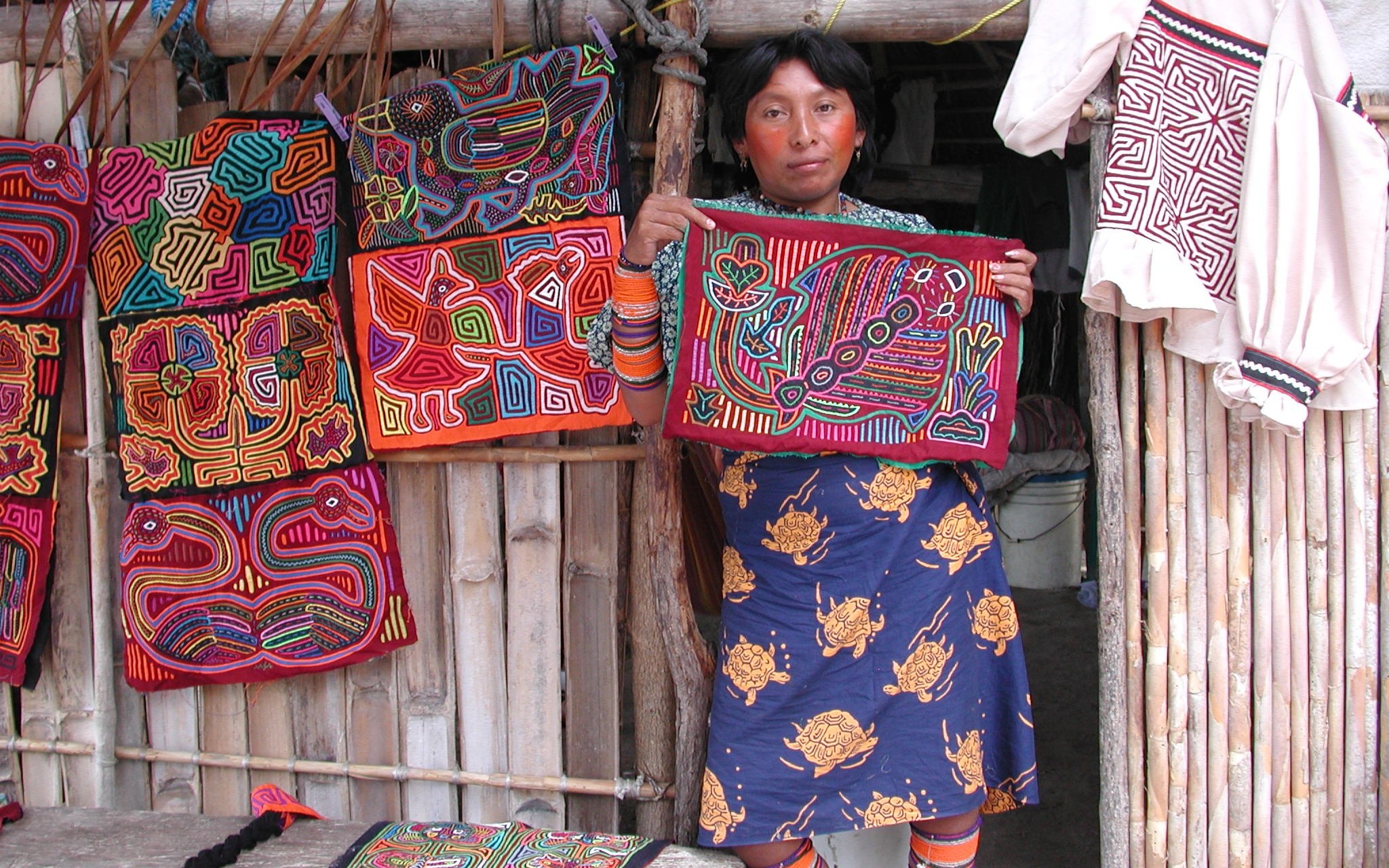
In this week’s video, we’re traveling (at least creatively!) to the San Blas Islands off the coast of Panama to explore molas — extraordinary textiles made by the Guna people. These pieces stopped me in my tracks the first time I truly understood what I was looking at: layers upon layers of fabric, cut away by hand, revealing bold color, intricate patterning, and deeply symbolic design.
What Are Molas?
Molas are traditional textiles made by the Guna people (formerly known as Kuna), who live on hundreds of small islands off the coast of Panama. Traditionally, molas are used as blouse fronts and backs, though they’re also displayed as wall hangings. Girls begin learning mola-making around the age of five or six, and it can take decades to master. The quality of a woman’s mola is actually a status symbol within the community. Each mola is both a work of art and a record of culture, identity, and lineage.
A Technique Built on Layers
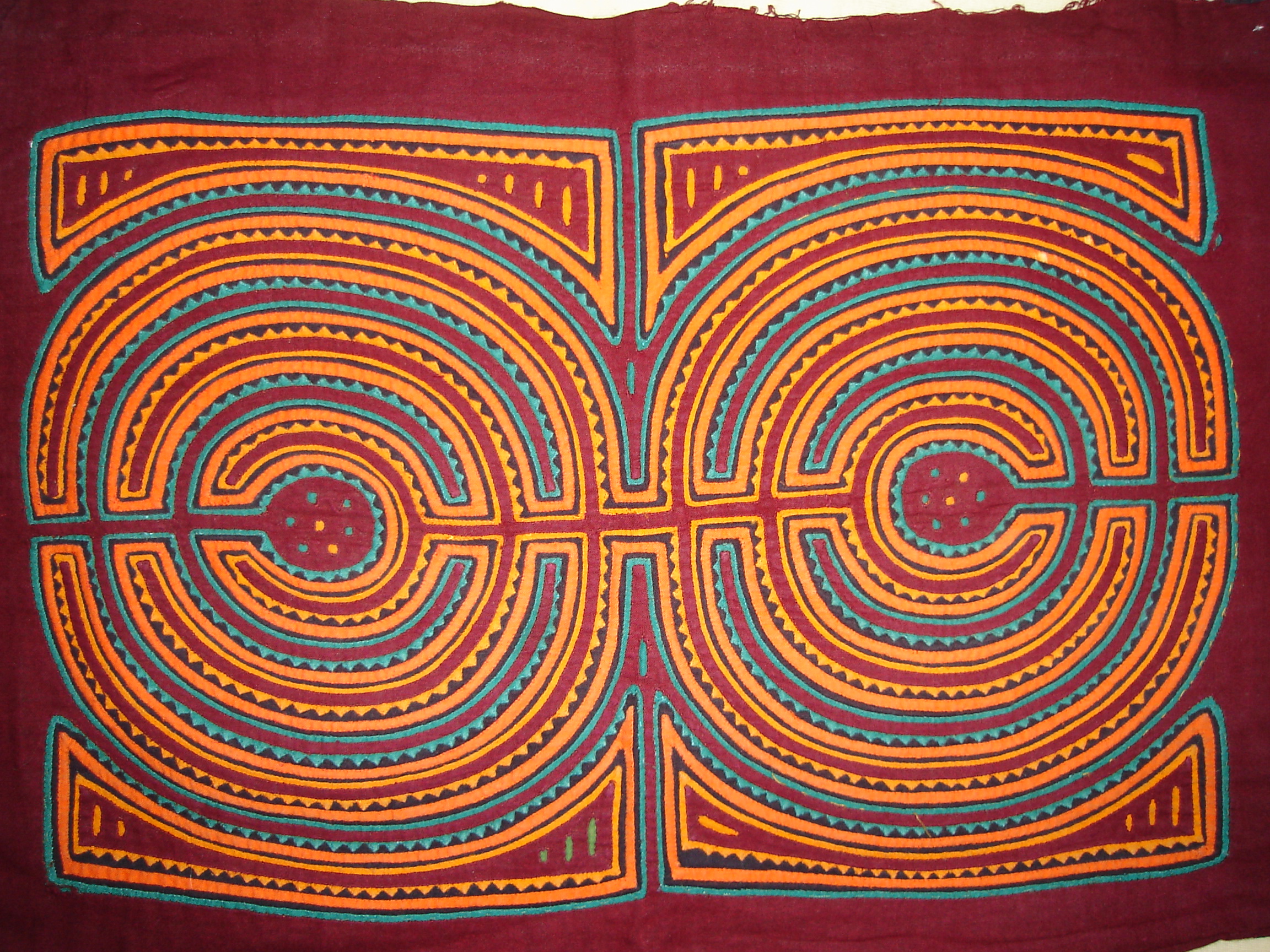
At their core, molas are made using reverse appliqué — but at a level of complexity that’s truly jaw-dropping. Rather than stitching shapes on top of a background, multiple layers of fabric are stacked, and then sections of the upper layers are carefully cut away to reveal the colors beneath. The result is bold, graphic, and incredibly detailed — all done entirely by hand.
In addition to reverse appliqué, molas often include:
-
Inlaid appliqué
-
Onlaid appliqué
-
Hand embroidery
Common Design Elements You’ll Notice
While every mola is unique, there are some recurring visual themes:
-
Very little negative space — the entire surface is usually filled
-
Strong primary motifs supported by smaller filler designs
-
Spirals, V-shapes, and rhythmic patterning
-
Motifs inspired by nature, mythology, daily life, or dreams
-
Historically bold color palettes (traditionally black, red, and orange)
Over time, color palettes expanded as makers adapted to new audiences — a beautiful example of tradition evolving while staying rooted in its essence.
Drawing Inspiration (Without Replicating)
You may not want to create work at this level of intricacy — and that’s completely okay.
Rather than replicating traditional Indigenous work, it’s much more powerful to draw inspiration from it. That inspiration might come from:
-
Strong contrast between black and bright colors
-
The idea of filling the entire space
-
Using nature, dreams, or daily life as motif inspiration
-
Exploring layered reverse appliqué in a simplified way
Exploring the Technique in Your Own Way
Reverse appliqué can be approached in many different ways. You might work with just two layers, or add more layers depending on how much complexity you want. You can stitch by hand or by machine. And you don’t need to start with a large project.
I often experiment with this technique using small pieces — placemats, blocks, or quick studies — as a way to explore ideas without investing a lot of time or materials. These small experiments allow you to learn what you enjoy and what you want to carry forward into larger work.
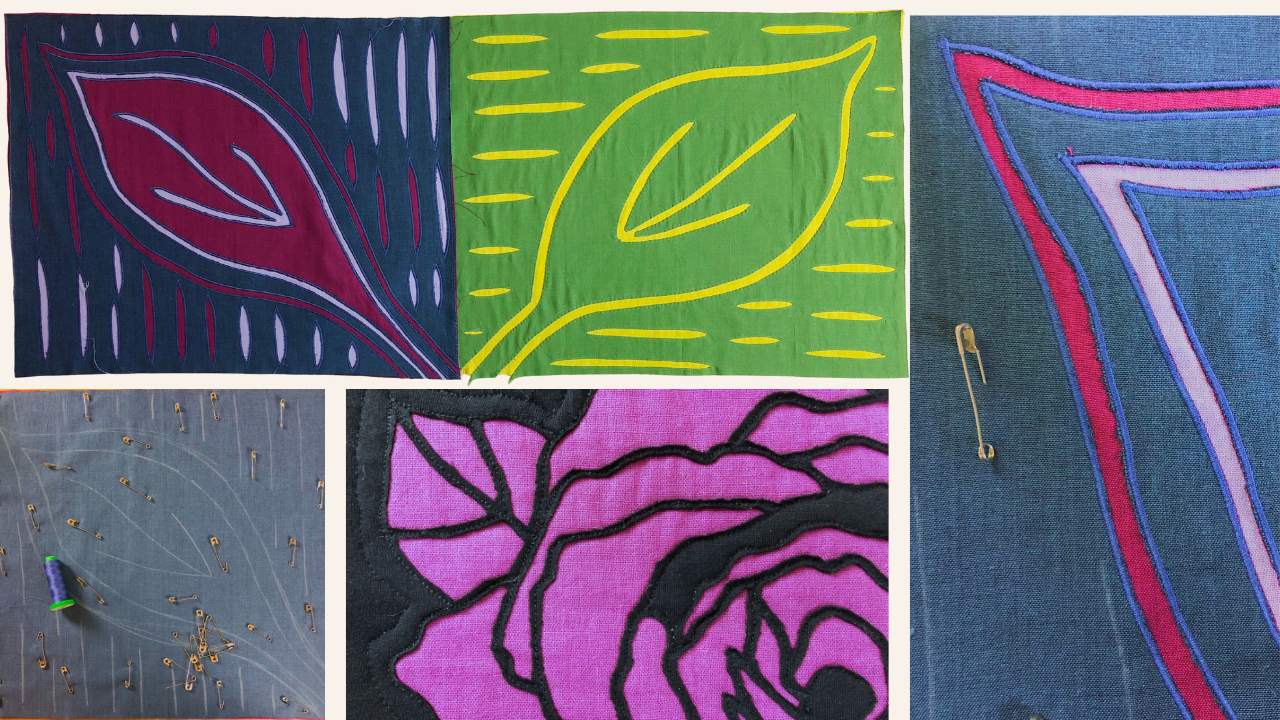
Watch the full video below, and I hope it inspires you to explore new ways of layering, designing, and experimenting in your own work.
Happy making.
Molas are just one of many techniques you can explore inside Meander.
From mola-inspired reverse appliqué to other quilting methods and design approaches, Meander is a supportive space to experiment, learn, and develop your own style.